

When to Visit: A Local’s Guide to Choosing The Best Time to Ski Niseko.
Most people book the same six weeks of winter. Here is why the quieter edges of the season are often the smarter trip, and why March might be the best-kept secret in Niseko.
Every year we see the same thing. Someone decides they are finally going to ski Niseko, they look at a calendar, and they book the last week of January or the first week of February without a second thought. It is not a bad choice. It is just the obvious one, and it means most visitors experience Niseko at its single busiest, most expensive moment, then go home assuming that is simply what Niseko is.
It is not. A Niseko winter has three distinct chapters, and each one offers something genuinely different. Early season in December is the quiet opener. Peak season in January and February is the deep-powder main event that built the reputation for the most consistent powder in the world. And spring season in March is the one the locals quietly keep for themselves.
Here is how each one actually feels on the ground, from someone who skis and rides all three every year, so you can choose the trip that fits what you are really after.
First, the thing that matters most
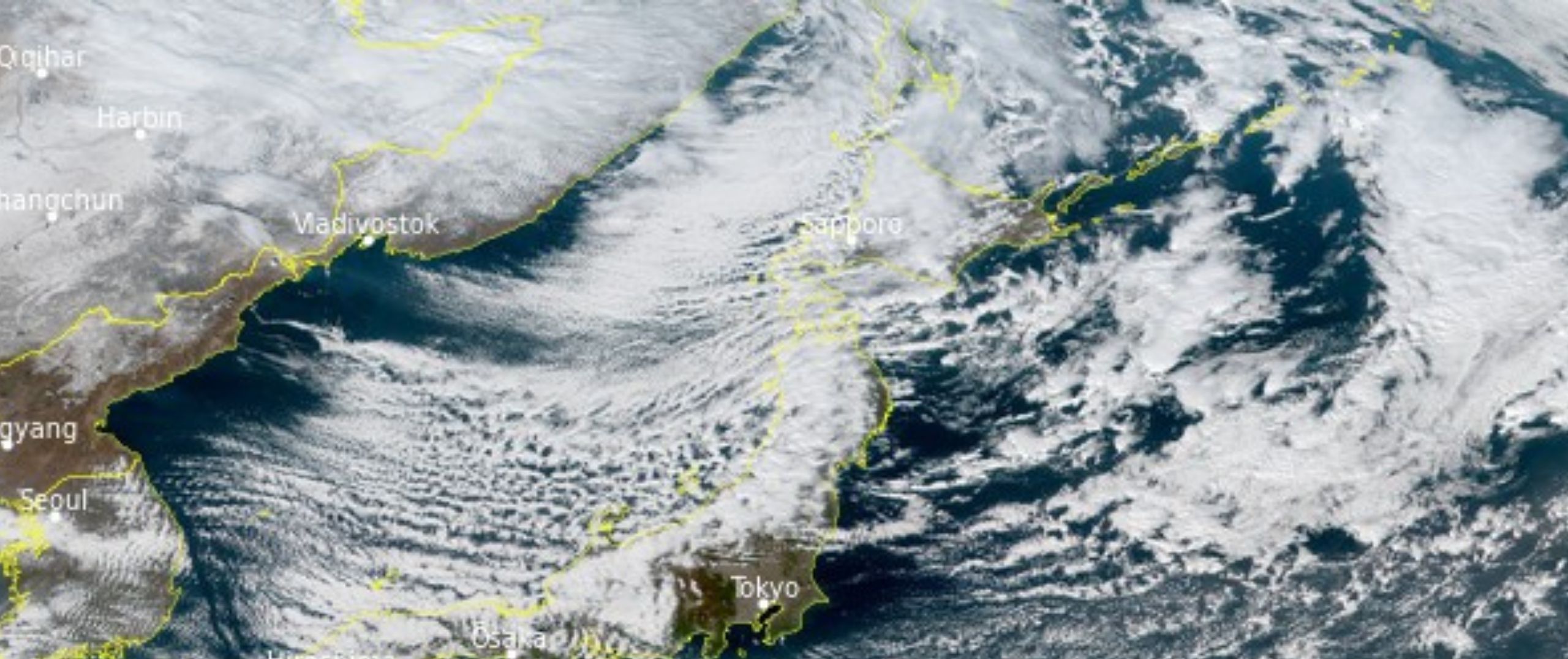
There is no single best time to ski Niseko. There is only the best time for the trip you want. Niseko sits directly in the path of cold, dry air sweeping off Siberia and across the Sea of Japan. That air picks up moisture from the Sea of Japan, forming dense clouds, hits the volcanic wall of Hokkaido and unloads. In a normal winter the region takes somewhere between 12 and 15 metres of snow, and by February base depths regularly exceed 3 to 4 metres. That is the ordinary state of affairs here, not a headline year.
The point is this: the base is enormous and it lasts. Two of the four Niseko United resorts, Grand Hirafu and Annupuri, run all the way to early May. So the question is almost never “will there be snow.” The question is what kind of trip you want to build on top of it.
Early season: December, the quiet opener
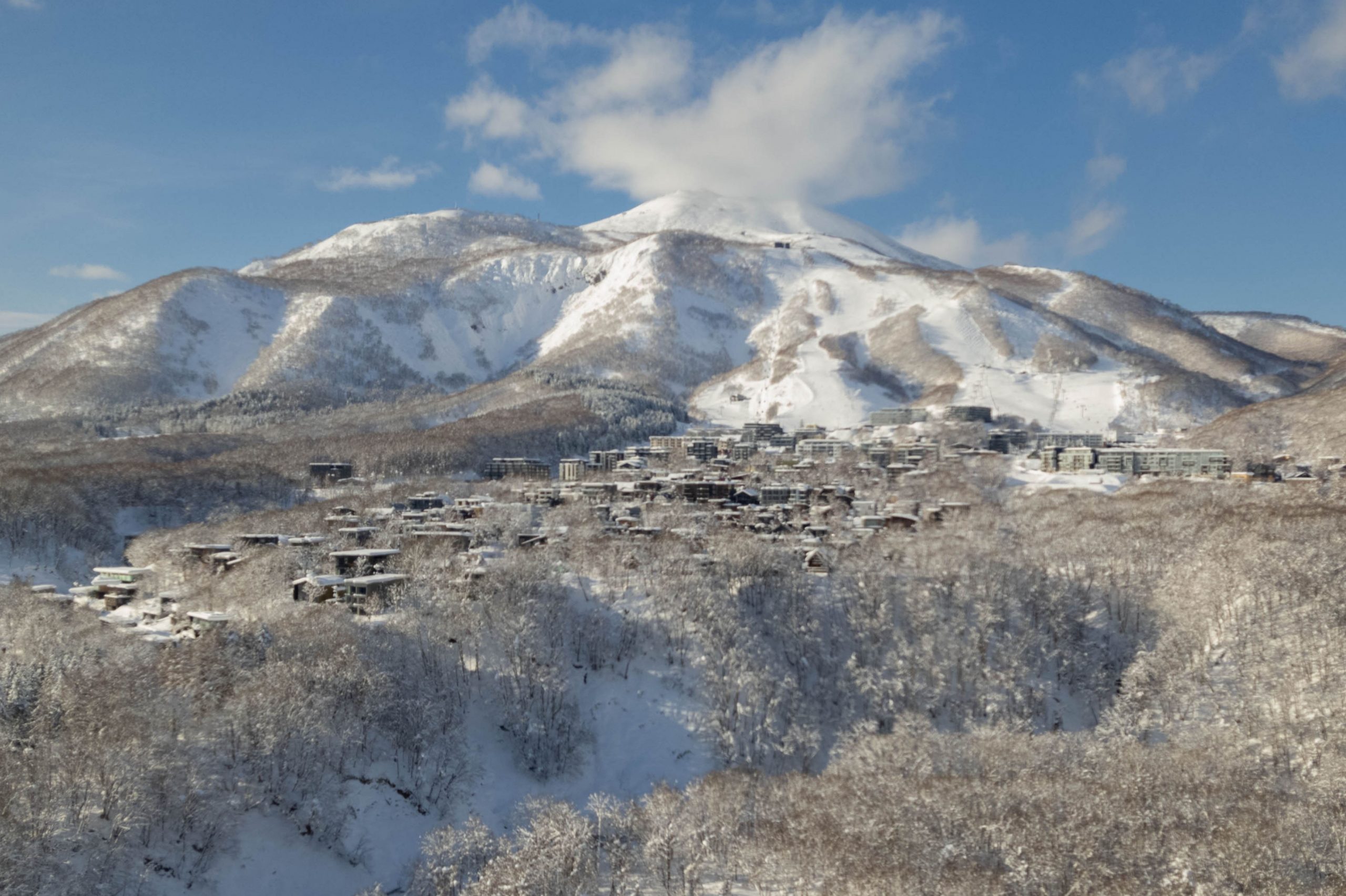
December is the sleeper. The lifts spin from early in the month, and by mid-December the base is usually built enough to have a great experience on the mountain and in the villages. The snow that falls in December is often the lightest and driest of the entire winter, the cold, weightless powder that first built Niseko’s name.
What you do not get in December is crowds. Outside the short Christmas and New Year window, the lifts are quiet, you can walk into restaurants that will be fully booked six weeks later, and accommodation runs well below peak rates. Night skiing begins in December, which on a snowy evening under the lights is one of the more underrated experiences on the mountain.
The honest trade-off is consistency. Early December can be a slow build in a lean year, and the backcountry gates may not all be open yet. If your dates are flexible and you lean toward mid-to-late December, you get the best of it: proper powder, genuine space, and a village that still feels like a local town rather than an international departure lounge.
Early season suits: travellers who want light powder without the crowds, anyone chasing value at the top end of accommodation, and visitors who would rather have easy restaurant access than guaranteed daily storms.
Peak season: January and February, the main event
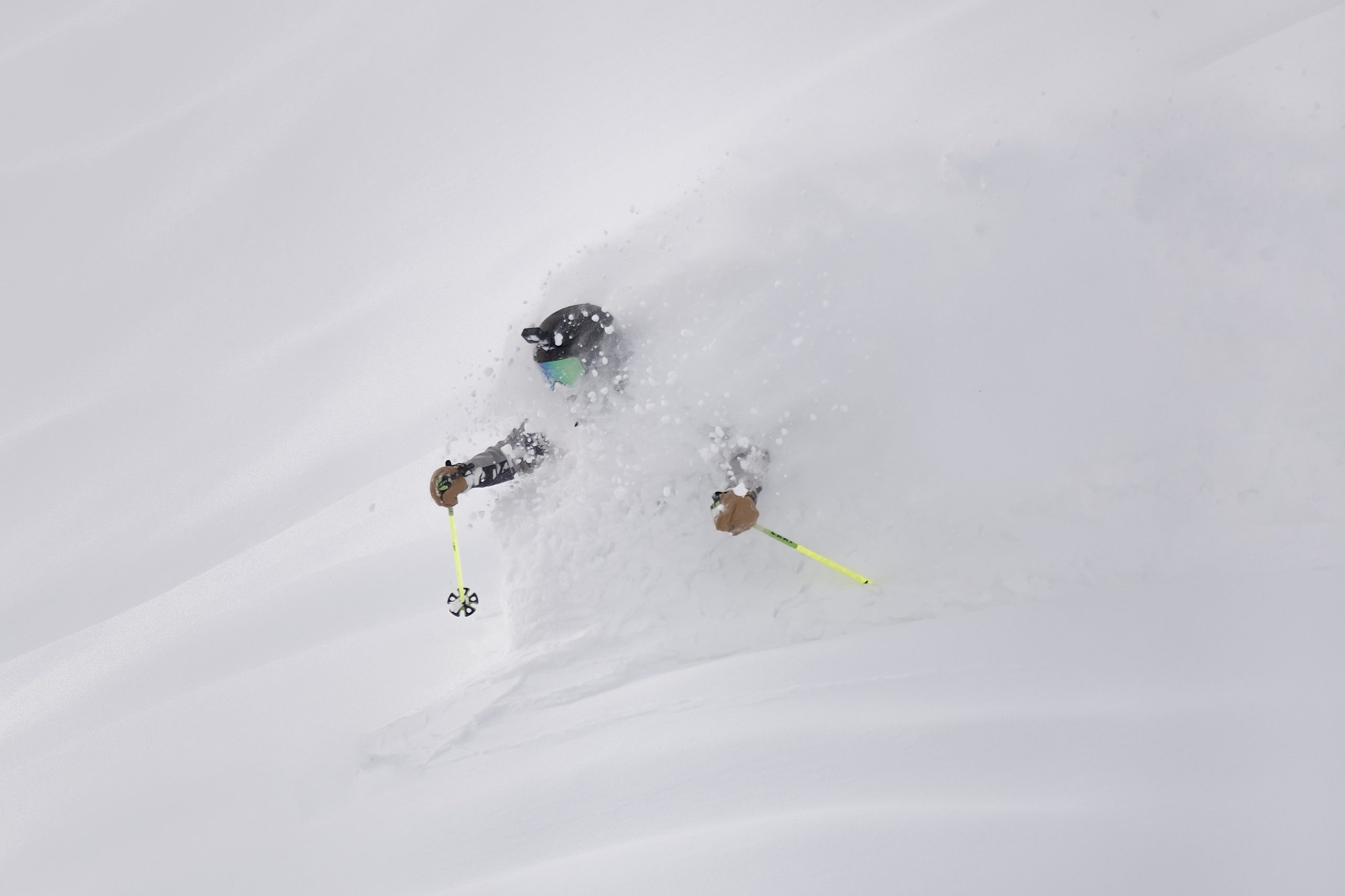
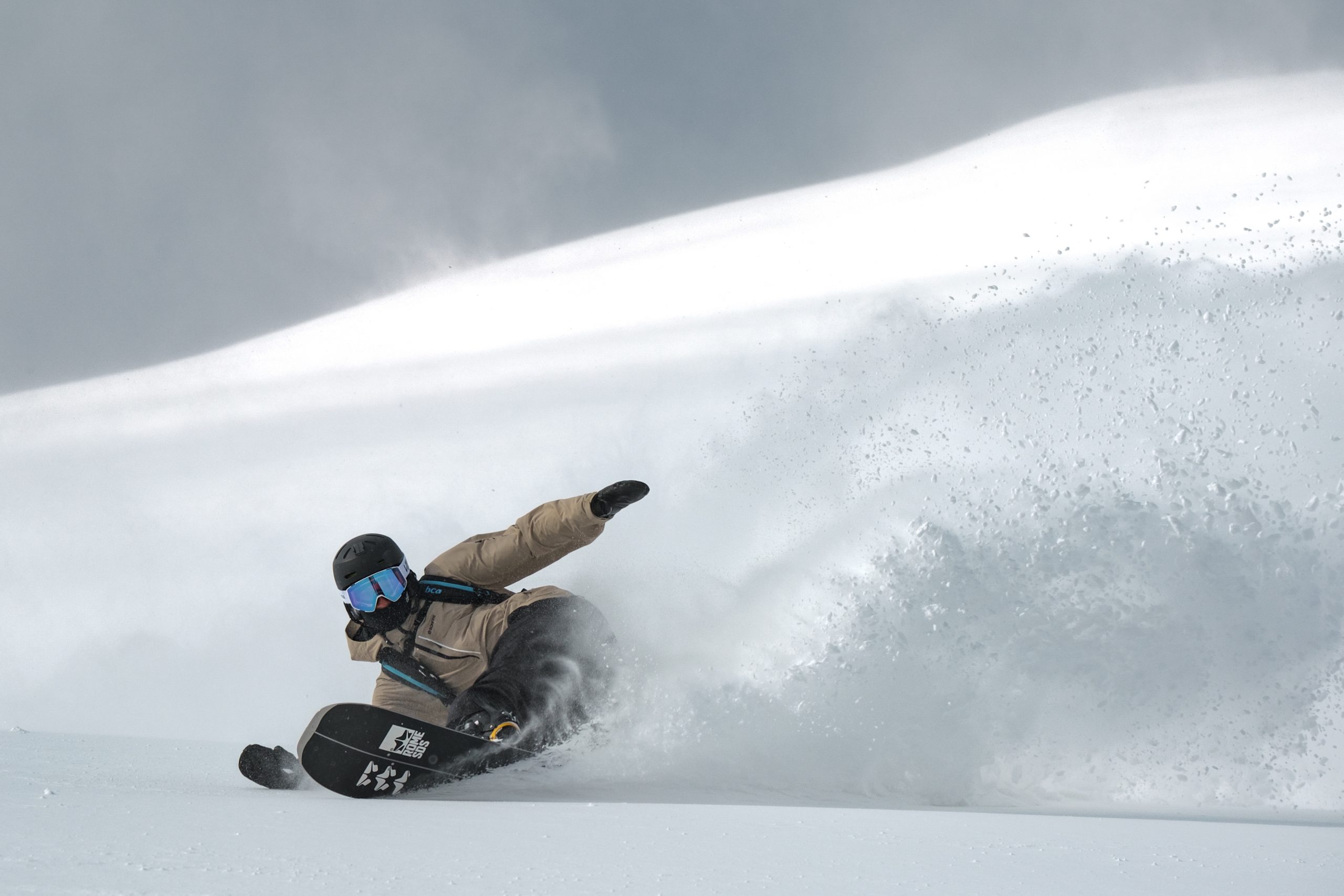
This is the Niseko of the photographs. January is statistically the snowiest month of the year, and it earns the title, with frequent overnight refills at temperatures cold enough to keep every flake light and dry. February carries the deepest base of the winter.
If your single priority is bottomless, reliable, wake-up-to-fresh-tracks powder, this is your window. For pure, dependable powder, nothing else comes close. The most dependable powder skiing on the planet during these eight weeks. There is no single best time to ski Niseko, though. There is only the best time for the trip you want.
The trade-offs are equally real, and worth saying plainly. This is the busiest and most expensive time to be here. The Christmas and New Year period and the Lunar New Year period are the two peaks within the peak, when the best chalets sell out six to twelve months ahead, lift queues form on a powder morning, and a good dinner reservation needs to be made well before you arrive. None of it ruins the skiing. It simply means peak season rewards the organised and punishes the last-minute. But the good news is, if you haven’t planned yet, we still have access and availability at some great properties for peak season dates.
Peak season suits: first-time visitors who want the definitive Niseko powder experience, serious skiers and riders who plan far ahead, and anyone for whom deep daily snow is non-negotiable and budget is not the deciding factor. The best private guides for January and February are spoken for months ahead.
Spring season: March, locals’ season.
Now the part most visitors never consider.
By March the mountain is sitting on the deepest, most settled base of the entire winter. The frantic energy of peak season has gone. The Lunar New Year crowds have flown home, the lift queues have effectively vanished, and the restaurants that were impossible in January will happily take your booking. Accommodation opens up and prices ease, so the chalet or slopeside hotel that was fully booked in the previous two months are suddenly available, often at twenty to thirty per cent below January rates.
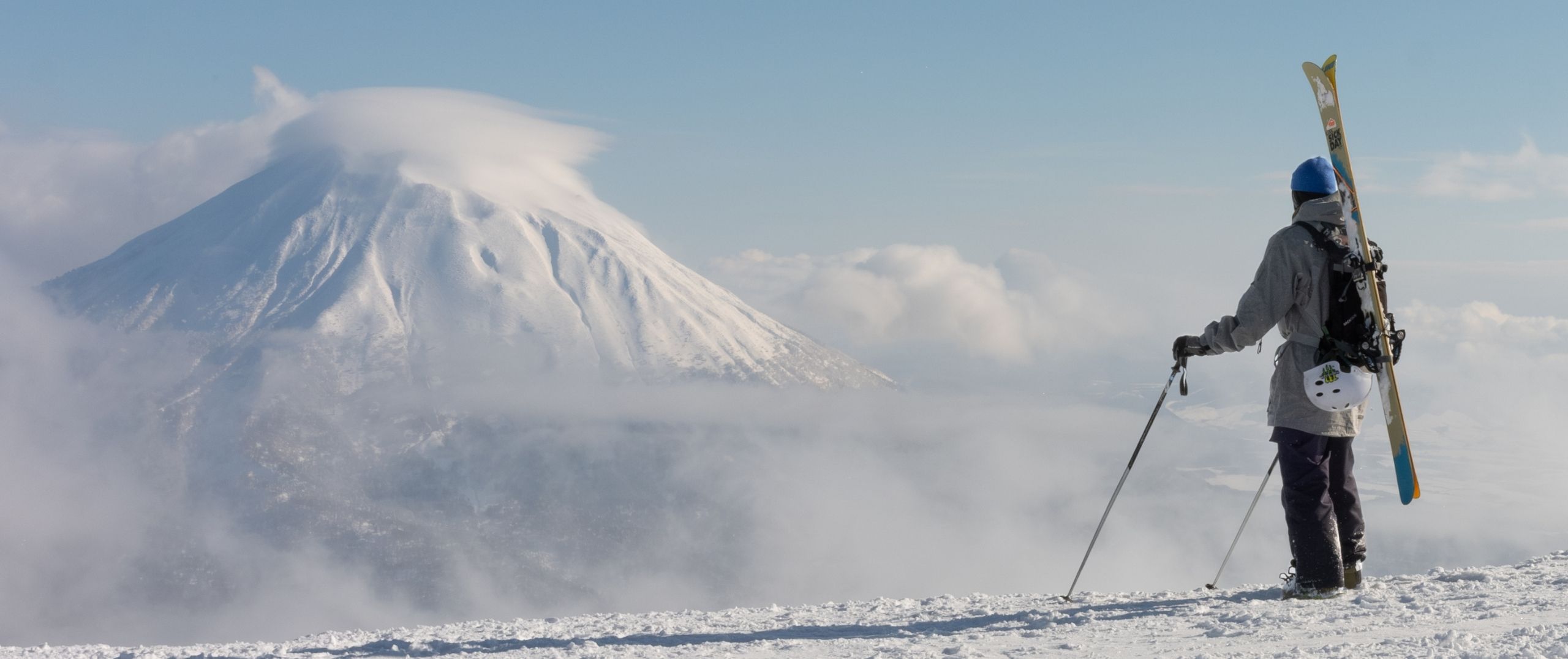
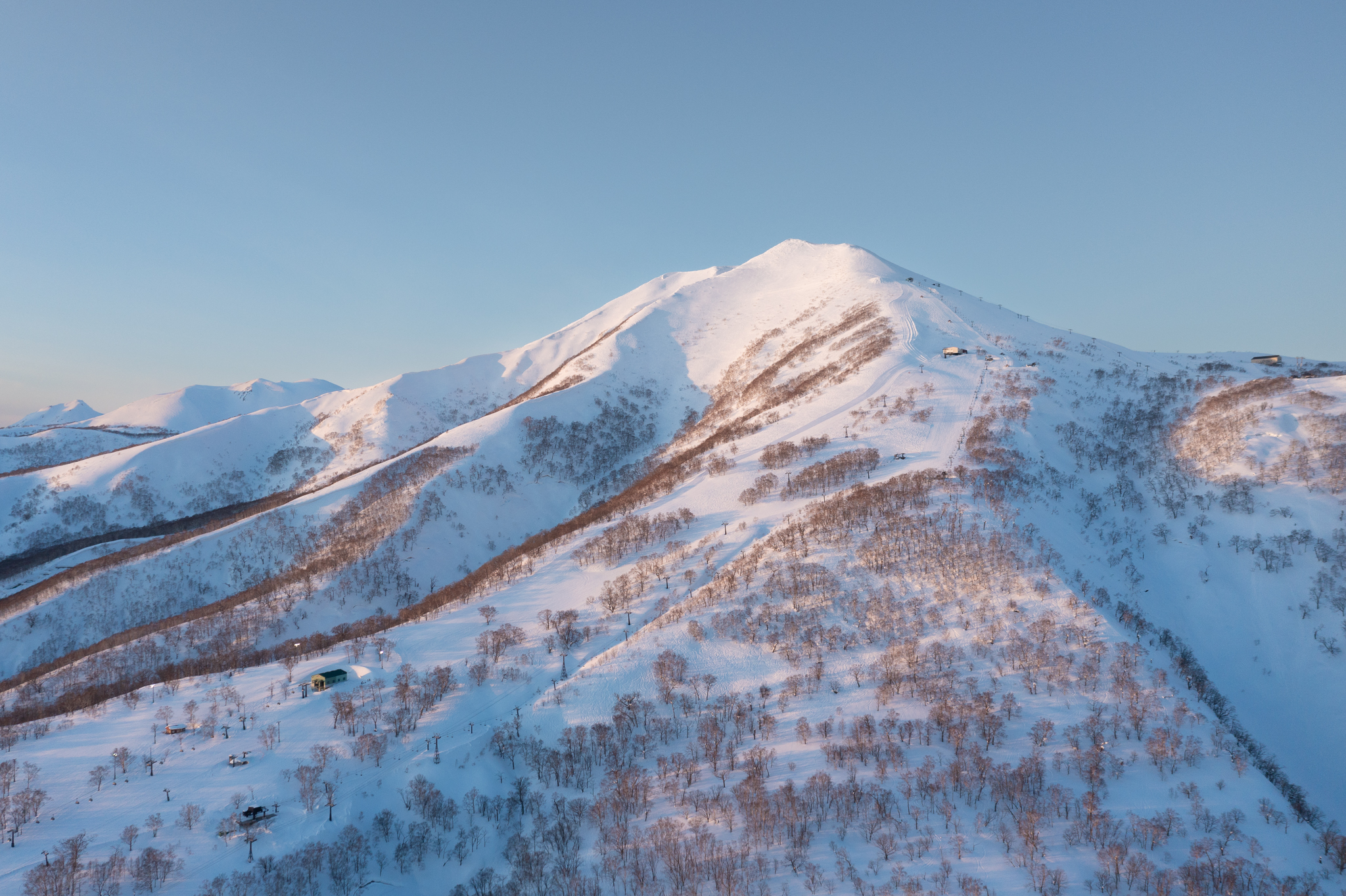
The light changes too. March brings longer days and far more of those bluebird mornings where Mount Yotei stands out against a hard blue sky, which is when Niseko is at its most photogenic. For anyone travelling with a camera, or simply wanting to actually see the landscape they came for rather than ski it in a snowstorm with limited visibility, spring is the season.
Here is the honest picture on snow. March is not the month of relentless daily dumps that January is. Fresh snowfall becomes less frequent as the month goes on and the air warms. What March gives you instead is a deep, high-quality base with genuine powder days still arriving in the early weeks, firm groomers in the morning that soften into forgiving spring snow by afternoon, and all of it under better light and with the mountain nearly to yourself. Early March in particular can still deliver proper storm days, affectionately known as “March Pow” on top of that big base. It is the best of both worlds, and it is why so many people who live here consider it their favourite time to ski.
Spring season suits: returning visitors who have already had the peak-season experience, families and mixed-ability groups who value space and warmth over storm chasing, and anyone who wants a genuinely high-end trip with room to breathe and better value.
So which season is right for you?
If you have never skied Niseko and you want the full, deep-powder legend, come in January or February, book early, and accept the crowds as the price of the best snow on earth.
If you want that same light powder with a fraction of the people, aim for mid-to-late December.
And if you want the most unhurried trip of all, a deep base, sunshine, empty lifts, open restaurants, more places to stay and better rates, with real powder still on the table in the early weeks, come in March. It is the best of both worlds: not the daily storms of peak season, but the trade most travellers should happily make. It may be the season we locals love most.
Whichever window you are drawn to, the difference between a good Niseko trip and an unforgettable one usually comes down to two things: choosing the right dates for what you actually want, and having someone local handle the details before you arrive and once you’re on the ground in Niseko. That is exactly what we do.
Frequently asked questions
When is the best time to ski in Niseko? January is statistically the snowiest month and the peak of the powder season. December offers the same light snow with far fewer people, and March offers a deep base, sunshine and near-empty slopes with powder still possible early in the month. The full season typically runs from early December to early May.
Is the snow still good in March? Yes, with a caveat worth understanding. March sits on the deepest base of the winter, so coverage and snow quality underfoot are excellent, and early March can still bring fresh powder days. Fresh snowfall does become less frequent later in the month as temperatures rise, so March is best thought of as a deep-base, spring-conditions month with powder as an early bonus rather than a guarantee.
When do the lifts close in Niseko? Two of the four Niseko United resorts, Grand Hirafu and Annupuri, typically operate into early May. Hanazono and Niseko Village usually close in mid-April.
Is March cheaper than peak season? Generally yes. Accommodation in March commonly runs around twenty to thirty per cent below January and February rates, with far more availability, since the peak-season and Lunar New Year crowds have gone.
When should I book? For January and February, as early as possible, six months ahead for the best accommodation. December and March offer more flexibility, but the best chalets and guides still go first, so earlier is always better.
Ready to pick your window?
Tell us what you want from your Niseko winter, deep powder, quiet slopes, spring sun, a family trip, or all of it, and we will build the trip around it. Get in touch with our team and we will handle everything from accommodation and airport transfers to guiding, lesson, lift passes, activities, and the right table for dinner.
We will see you in the snow.
About the Author: Sea and Summit Collective is a travel | guiding | media company based in Niseko, Hokkaido. Our team are long-term locals with deep knowledge of the region across every season. We create bespoke travel experiences for discerning visitors from around the world.